
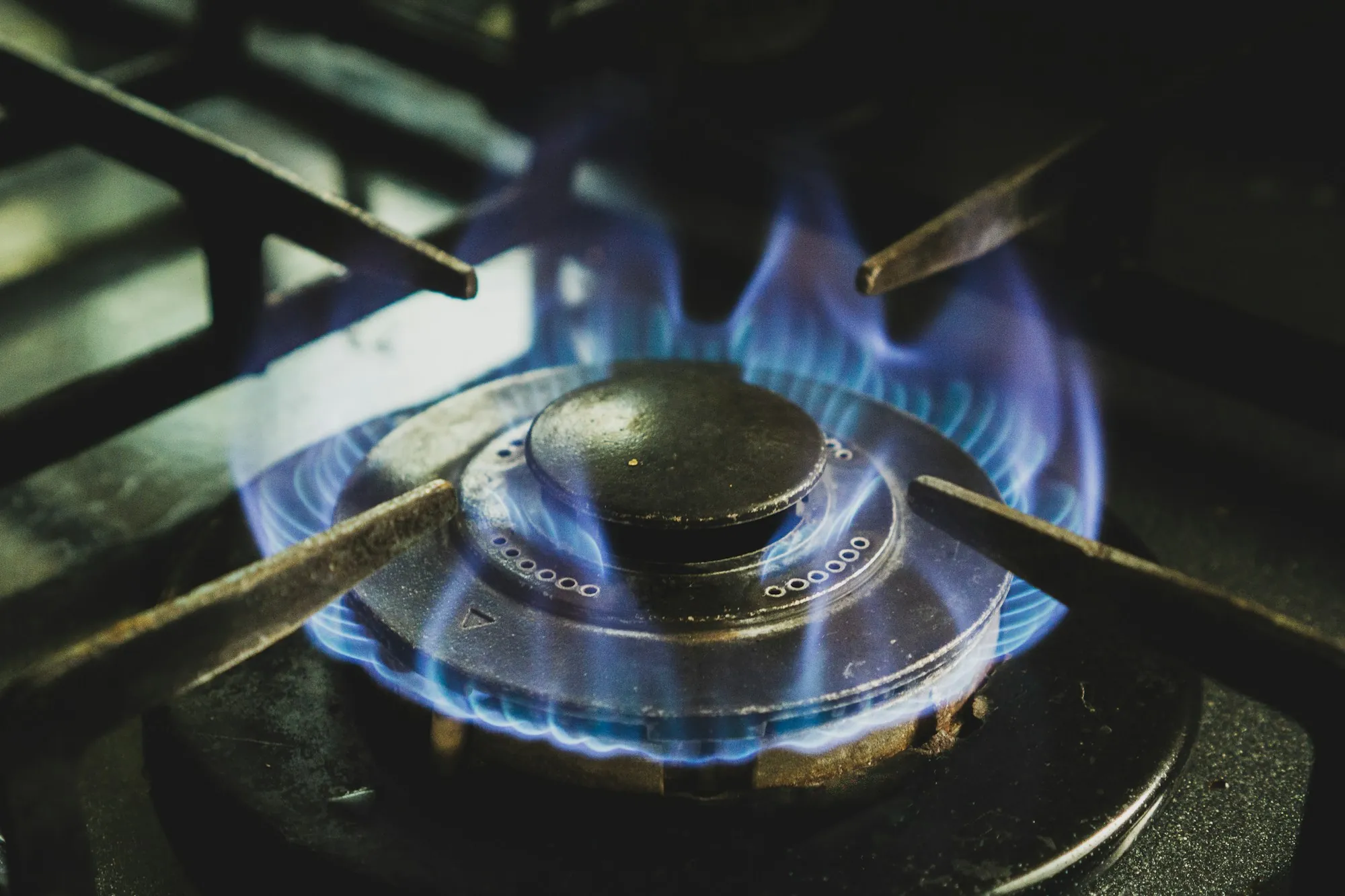
Heating repair
Heating and Furnace Repair in Tucker, GA
Gas and electric furnaces diagnosed part by part, so the heat comes back on and stays on.
Heat That Comes On When You Need It
A furnace in this part of Georgia often goes untouched from spring to late fall, and then the first hard freeze asks it to run for hours. That first cold night is when tired parts give out. HVAC Tucker repairs gas and electric furnaces in houses, rental units and small commercial spaces, and our technicians work the problem in sequence. Each time a gas furnace starts, it runs a fixed routine: thermostat signal, inducer fan clearing the vent, draft proven, igniter heating, gas valve opening, flame proven by the sensor. Break any link and the furnace stops, yet from the hallway every failure feels identical: either nothing happens or the blower pushes room-temperature air. So the tech tests each link until the broken one shows up. Frequent finds include a flame sensor coated with residue, a cracked igniter, an inducer motor that is dragging, a limit switch that tripped from overheating and a blower motor near the end of its run. Electric furnaces have their own suspects: heating elements, sequencers and relays. Before you phone, set the thermostat to heat a few degrees above the room, confirm the switch on or near the furnace is on, and swap a clogged filter, because restricted airflow is a common reason a limit switch trips. And one rule with no exceptions: if you smell gas, do not flip switches or attempt a relight. Leave the house with everyone in it and contact the gas company or 911. After the utility clears the house, reach us at (770) 525-4920.
The No-Heat Checklist
On a heating call, our tech works through these items one at a time.
Ignition system
Hot surface and spark igniters checked and swapped out when cracked or weak.
Flame sensor
Cleaned or replaced so the furnace stops shutting the burners off after a few seconds.
Inducer motor and pressure switch
Draft components checked so the furnace can safely start its heating cycle.
Limit and rollout switches
Safety switches tested, and the reason they tripped tracked down.
Blower motor
Motors, capacitors and blower wheels inspected so the heated air makes it to every room.
Electric furnace parts
Elements, sequencers and relays tested and repaired on electric furnaces and air handlers.
Filter and airflow
Clogged filters and blocked returns found and cleared to keep the furnace from overheating.
Safety check
Burners, venting and controls are inspected before heat is restored to the house.
How a Heating Repair Call Moves
Describe the problem
Tell dispatch whether the furnace is silent, blowing cold, starting and stopping or showing a blinking light. Gas or electric matters too.
Step-by-step diagnosis
The technician watches the startup sequence, tests each component and explains what failed along with the repair price.
Repair and a full heating cycle
With the new part in, the furnace completes a full heating run and every safety is confirmed before the tech heads out.
What You Get When the Heat Is Out
Methodical diagnosis
Each step of the heating sequence is tested, so the right part gets replaced the first time.
Safety comes first
Every heating repair includes a look at the venting, the burners and the safety switches.
Seven days a week
Daytime visits any day of the week, plus the emergency line for nights.
- Gas and electric furnaces
- Safety controls checked
- Price before work
- Emergency line for nights
Furnace Blowing Cold Air?
Look at the thermostat and filter first, then describe what the furnace is doing. A technician will track down the failed part and get the heat back.