
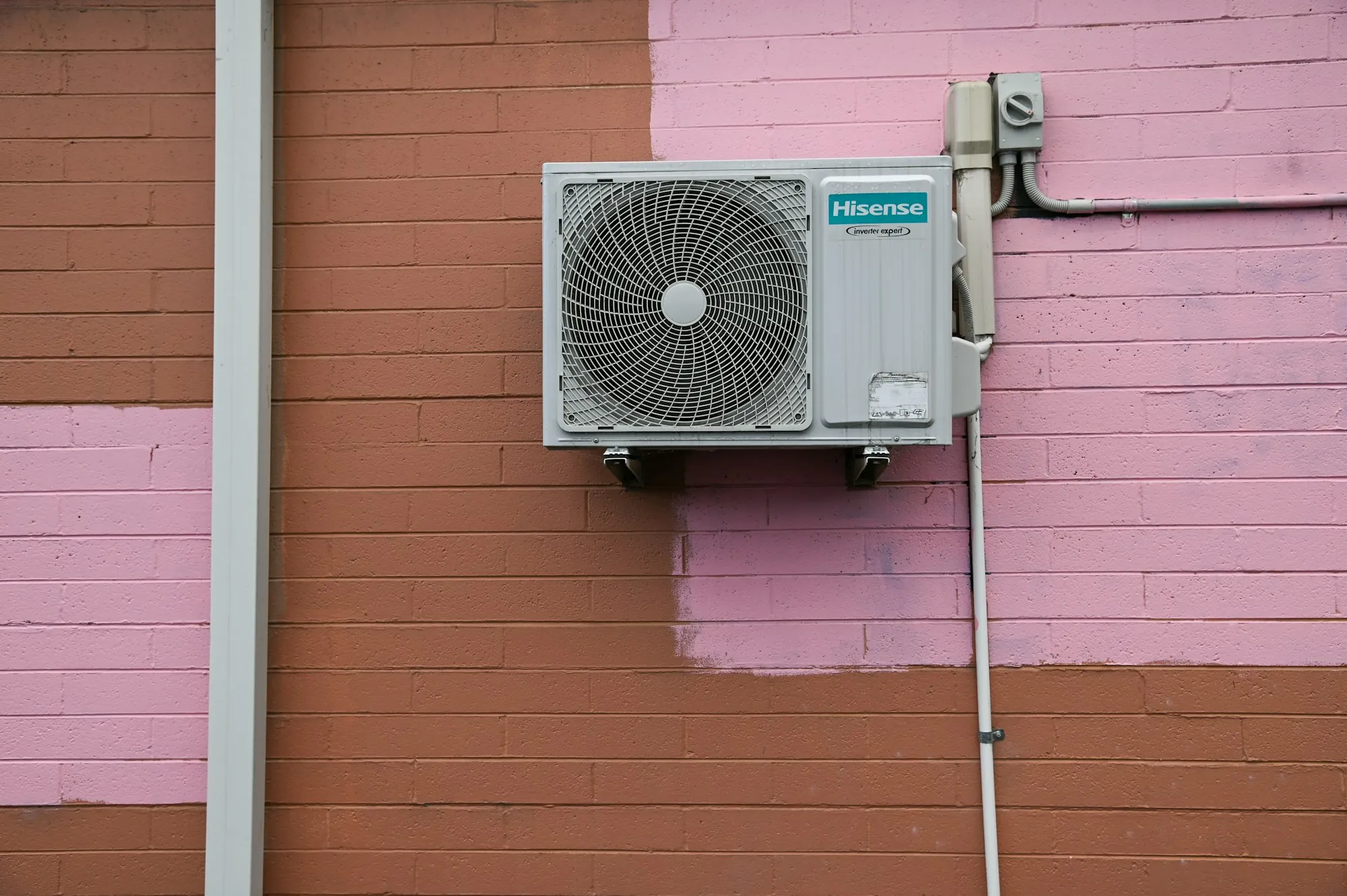
New air conditioning
New AC Installation and Replacement in Tucker
First an honest repair-or-replace answer, then a properly sized system installed with care if replacement wins.
Before Anyone Says New System
Nobody wants to buy a new air conditioner, so the first question is always whether you need one. HVAC Tucker starts with the facts: how old the system is, what has already been repaired, how well it keeps the house comfortable and what the current repair would cost. An air conditioner with one failed part and plenty of life left is usually worth fixing. An older unit with a failing compressor, a leaking coil and a stack of past repair bills is a different conversation. We lay it out so you can decide. If replacement makes sense, sizing comes next. The right capacity depends on the house, its insulation and windows, and the ductwork that has to carry the air. Copying the tonnage off the old unit can repeat an old mistake, and an oversized system cools quickly without pulling enough humidity out of the air. A proper installation includes a new indoor coil matched to the outdoor unit, a line set that is sized correctly or flushed and reused when appropriate, new drain connections and the electrical work the equipment calls for. Replacements in DeKalb and Gwinnett often need a county or city permit and an inspection, and we handle that paperwork. At startup the technician checks refrigerant charge, airflow, temperature split and safety controls, then the old equipment is hauled away. Efficiency ratings such as SEER2 matter, but sizing, duct condition and installation quality matter just as much, so we talk through all of it before you choose.
What a Replacement Includes
These are the pieces that go into nearly every air conditioner we install.
Repair or replace, on paper
We put age, past repairs, comfort and operating cost in one place before you decide anything.
Load and duct check
Capacity worked out for the rooms and the ducts feeding them, rather than read off the old nameplate.
Paired evaporator coil
An evaporator coil paired with the new outdoor unit so the two parts work as one system.
Lines and condensate
Copper lines and the drain reworked or replaced to suit the new equipment.
Electrical connections
Disconnect, wiring and breaker sized to the new unit's requirements.
Permit and inspection
Required permits pulled and inspections arranged with the county or city.
Startup testing
Charge, airflow, temperature split and safeties are measured before the crew packs up.
Old equipment removed
Your old condenser and coil leave on our truck for proper disposal.
How a Replacement Comes Together
Assess the current system
A technician looks at the equipment, the ducts and the repair history, then explains whether repair or replacement makes more sense.
Choose the right equipment
You see options sized for your house with the price for each, and we explain how efficiency ratings and installation details affect comfort.
Install, test and clean up
The new system goes in with protected floors, is tested through a full cooling cycle and the old equipment leaves with the crew.
Why a Replacement With Us Stays Simple
Fixing it is still an option
When fixing the old unit makes more sense, you hear that from us first.
Sized for your house
Capacity is chosen for the home and its ducts so rooms cool evenly and humidity stays down.
Paperwork handled
Permits and inspections are arranged so the installation is done by the book.
- Straight repair-or-replace advice
- Right-sized equipment
- Permits arranged
- Removal of the old unit
Old AC Costing You Every Summer?
Give dispatch the age of the system and its recent repairs. A technician will lay a repair next to a replacement so you can choose with the facts in hand.